
4 Ways To Incorporate Mindfulness Into Every Day
There’s a mindfulness revolution that’s been sweeping our culture the last few years. You read about it, see it on social media, or advertisements. Doctors, therapists and practitioners suggest it, and big businesses are utilizing it in their companies.
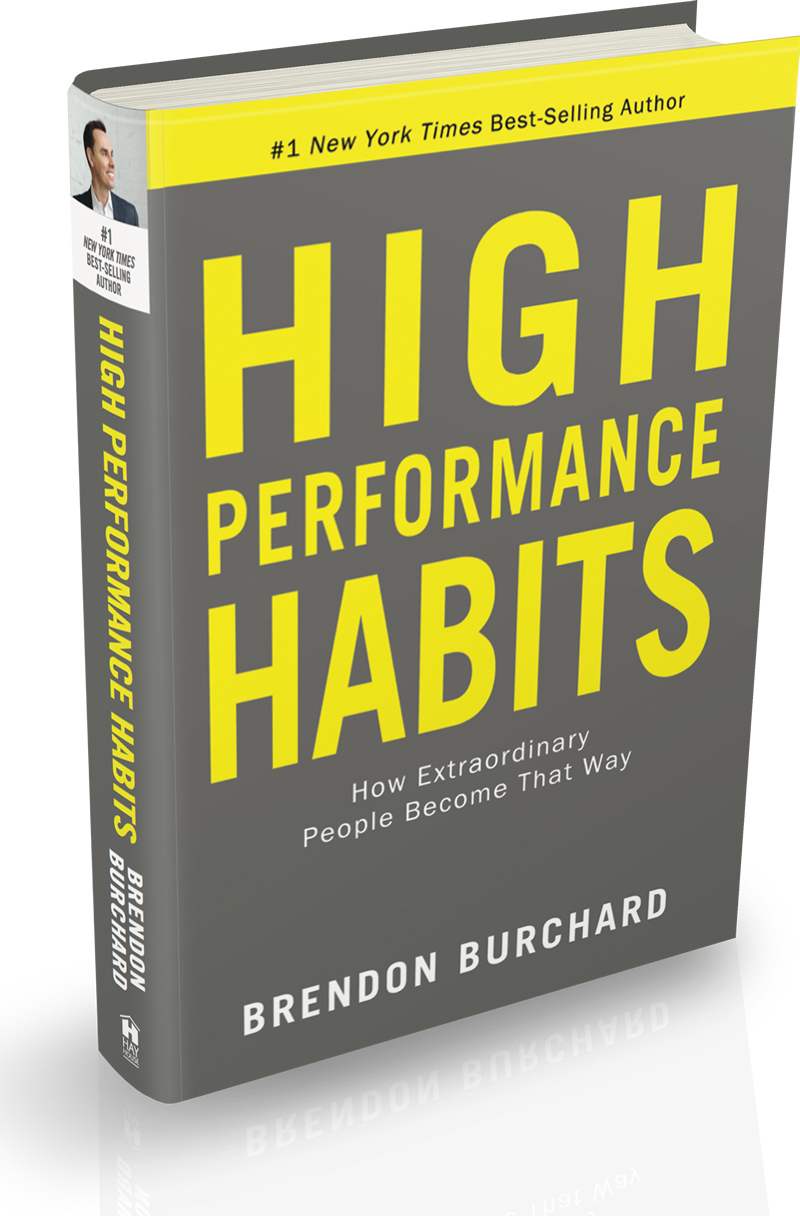
Get A FREE hardcover copy of High Performance Habits!
*High Performance Habits retails for $19.95, but we bought it for you. So you don't pay anything for the actual book. We just ask that you pay your shipping/handling to claim yours so that we can give out as many around the world as possible (just $7 to ship yours anywhere in the world!)
Everyone is touting “mindfulness” as the strategy for lowering stress, improving health, happiness and even success. But why?
Mindfulness isn’t a natural state for human beings, especially in this day and age.
More than ever, we are living in a period with abundant distractions and stressors. We’re constantly in reactive mode as a result. Our phones send us alerts and notifications from news and email, to family and friends getting in contact. We are bombarded by information on a daily basis, and inevitably it puts us in constant alert—moving from one thing to the next without a moment to pause.
If you really think about it, most people don’t get a break to relax their mind or fully embrace moments of their day. The second most people wake up, they usually start their day by looking at their phone. Whether you have kids to tend to in the morning, work projects and phone calls, or maybe it’s become a habit to scroll social media first this in the morning— people are losing their connection to moments in their life. Their attention is being broken into, and it’s training people’s minds to expect distraction, to brace for it, and to act impulsively. They don’t feel centered, or relaxed.
Mindfulness can get you more connected and centered so you don’t feel like life is such a constant rush. So you don’t miss important moments, like spending time with your children, connecting with your partner, or even something like a beautiful view. It can help you feel more alive, alert and clear throughout your day. And honestly, it doesn’t take much! When we think of mindfulness, people immediately envision meditation: the act of sitting still, eyes closed. But mindfulness isn’t always about sitting still—in silence—for a period of time! You can do it while walking, at work, with family… it’s truly about bringing your attention and awareness to the present moment.
SIGN UP FOR THE 7-DAY TRANSFORMATION CHALLENGE!
Transformation Week is a 7-day free online event featuring training from Brendon Burchard, the world's leading high performance coach and researcher.
These 4 simple steps are the building blocks of mindfulness, and can easily be incorporated into your everyday.
1. Observe Where You Are
We can activate mindfulness during most activities throughout our day. The first step is observing the environment around you. It’s incredible how often people don’t take the time to notice their surroundings. They can go from a train station to a restaurant without recalling one thing they saw. So to start out, simply bring your attention to where you are in space. Acknowledge it. Have you noticed yourself ever walking through a beautiful park without truly observing the trees, light, or sounds around you? We hardly take time to notice where we are; from color and sound to smell and temperature. But by noticing these aspects, you can bring more attention not only to the present moment, but in the details of the present moment. Use the questions below as starting points.
What Color Do You Notice?
What is the color of the space you’re in? Notice when you walk into a room, a building or outside, what colors do you see? What are the colors on the walls and floor? What’s the shade and tone? Is it light or dark? Are there colors outside the window? Notice how the colors make you feel. Remember not to judge how you feel, but just notice it.
What Is The Smell?
Is it odorous? Sweet or pungent? How do you feel about the smell? Does it bring back any memories or emotions? What does it smell like? For most people, they can walk into a restaurant to meet their friend, sit down, order, eat and talk, but never actually connect or observe the environment around them. They don’t take note of the smell inside, or the food they’re eating. Mindfulness is all about intentionality, and bringing that to a specific moment. All it takes is a few seconds of tuning in. Try this next time you’re eating out.
The Feeling of the Environment?
Sometimes we walk into a room or space and there is a palpable feeling. It could be from one person or multiple people. When you go to a concert, what’s that energy like? When you go to a garden, or a playground, what does it feel like? Other times you may walk into a room after two people had a tense discussion, but haven’t fully acknowledged the feeling. The goal here is to start connecting your awareness to the different feelings around you as you move from place to place.
How Do You Feel In The Space?
Environments can trigger a wide range of feelings. They are so powerful that they can elicit memories of childhood, of loved ones, of our own dreams and desires. Notice how a space makes you feel. No need to judge them, just take note.
Next time you walk out of the house, play around with these ideas! They are some of the first steps in transforming the way you experience your days. Along with these steps, you can also use programs like my free Transformation Week. It’s a perfect companion to getting started towards a new way of thinking.
2. Notice How You Are
When you don’t tap into how you’re feeling (positive or negative), it leaves the mind open to reacting and responding to literally everything around you. It puts you in automatic mode.
This can be difficult, but it’s a crucial skill set to pay attention to! It’s not always easy to be aware of how we feel, especially if how we feel isn’t comfortable or we start to notice we don’t like something about ourselves. But every bit of that allows more room for intention and growth. We all have to start somewhere!
Do a scan and go through things like:
- How am I interacting with the environment?
- How am I sitting?
- How does my body physically feel right now?
- How is my breathing? Shallow? Deep? In my chest or in my belly?
By bringing attention to how YOU are in a space, it forces you to take accountability for—essentially— who you are and how you interact with the world. The more consistent you are, the more you’ll start to discover even deeper qualities in those moments, such as:
- How are you acting towards other people?
- How are you being in your relationship to this person, or that person?
- How are you speaking to them
- How are you coming across
- How might they be feeling?
By scanning yourself in environments, you can begin to notice patterns! You’ll start to see what emotions arise in certain places, and towards specific people. You’ll notice your own characteristics and habits. All of this noticing can only be advantageous. That’s the plus side to mindfulness; even when it might feel painful, difficult or uncomfortable, it isn’t harming you. It’s doing the exact opposite by opening up space, and allowing you to be more intentional in your life.
All of this is about claiming your personal power and realizing the agency you have over your life! It isn’t always easy though. Sometimes making practice out of these habits take time, and sometimes we lack motivation to even get started. Brendon Burchard’s book, Motivation Manifesto , goes into more depth about how to do this. If you need support in feeling motivated to make these changes in your awareness, pick up a copy of Motivation Manifesto.
Books like Motivation Manifesto help amplify your mindfulness so that not only do you begin noticing things, but you have a strategy for what you discover.
3. Learn To Step Back And Wait
As you start paying more attention to your environment and how you feel, you may notice uncomfortable thoughts come up. Whether they’re pleasant or not, the act of being mindful means tuning more into yourself and your surroundings. And when you tune into yourself more, it’s harder to ignore what you see!
The more consistent you are, the more potentially impulsive you may feel. You may notice things that upset or frustrate you. Maybe something someone said made you feel angry. Notice the way your impulsive mind starts to think. Does it want to speak negatively about someone or something? Does it want to judge or act out? Most of us react on a daily basis in ways that are unproductive—and frankly, sometimes we regret what we’ve said or done hours or days later.
Those times in your life when you feel upset or angry, it’s typically coming from a place of fear, worry, or insecurity. What you’re experiencing is valid and real, but before acting on those emotions, step away to decipher if they’re about your own stories, trauma, and fears or something else.
So how do we be mindful in charged moments with tense feelings?
First, remember that acting/reacting from our own wounds is not being mindful. To be mindful, in tough situations, is about having the ability to step back, distance yourself, and consider how your best self would respond. To ask, what is causing upset? What would serve everyone involved?
Take a beat, give yourself time to cool down, and come from a more intentional place. Sometimes all it takes is 2-5 minutes of removing yourself from the stimulus in order to respond more thoughtfully. Learning to step back and wait is a critical, valuable skill because it means your emotions are no longer in the driver's seat, and instead, your higher self is engaged.
When we start incorporating mindfulness into all areas of our day, then it allows and trains our mind to step back and notice things before reacting.
If this feels difficult and you need more applied guidance to put these ideas into everyday practice, check out HPX Courses. You’ll get access to a library of trainings that cover this very topic, supporting you with everything from personal relationships to work and business. You can access courses by Brendon Burchards and others like Deepak Chopra, Dr. Hyman and other leaders in the personal growth field.
4. Meditate, Even Just For 5 Minutes
So far you’ve learned about 3 mindfulness tools to apply to your days. But to prepare you, help train you, and give you the calm to apply these trainings more deliberately, meditation is the next step.
We know now that meditation immediately drops stress levels and calms your nervous system. When you allow that to happen, it allows more self-control in your life. It allows you to access more positive ranges of feelings on a consistent basis.
A lot of people don’t want to put in the time to meditate because they think it takes long periods of time. Or they’re simply uncomfortable sitting still. Don’t think of meditation as this large, time consuming project. It doesn’t have to be for 60 minutes, or 30 minutes, or even 10 minutes! Start small, whether that’s for 1 minute or 5 minutes. Set an alarm to remind you. Some people enjoy laying down for meditation, sitting on a chair, or even a deliberate walking mediation.
A major misconception is that mediation is about sitting still and being blank in your mind! People often give up because they think they can’t “do” it. Meditation is actually the act of noticing your mind having a thought, and learning to bring it back to one specific focus: your breath. The act of thoughts arising, and refocusing IS meditation. It’s the process and transition in the practice.
In that way, meditation is practice for real life. The Charge, Brendon Burchard’s book about how to feel more productive, engaged, alive and connected in today’s overactive world, flourishes on the act of meditation. If you want to learn more about the 10 human drives that make you feel alive, The Charge will support you through this process. Not only will you feel more mindful on a continual basis, you will start to feel, what Brendon Burchard calls, The Charged Life.
Additional Resources To Watch and Listen To

Learn how to do Release Meditation by watching this instructional video by Founder Brendon Burchard Click Here To Watch Brendon Burchard's Release Meditation Technique

Get Monthly Life Coaching with Founder Brendon Burchard. The world's #1 high performance expert is YOUR virtual life coach for 2 hours every month!